
If the starter clicks, the lights are weak or nothing happens when you turn the key, switch off electrical loads and move the vehicle out of danger where possible. A flat battery is common, but incorrect jump starting can damage vehicles or cause injury.
A slow crank, repeated clicking and dim lamps often point to low battery power, but loose terminals, a starter fault, immobiliser issue or charging-system fault can look similar. Do not keep cranking continuously. Check the dashboard and owner’s manual before connecting equipment.
Confirm the likely problem
A slow crank, repeated clicking and dim lamps often point to low battery power, but loose terminals, a starter fault, immobiliser issue or charging-system fault can look similar. Do not keep cranking continuously. Check the dashboard and owner’s manual before connecting equipment.
Use jumper cables carefully
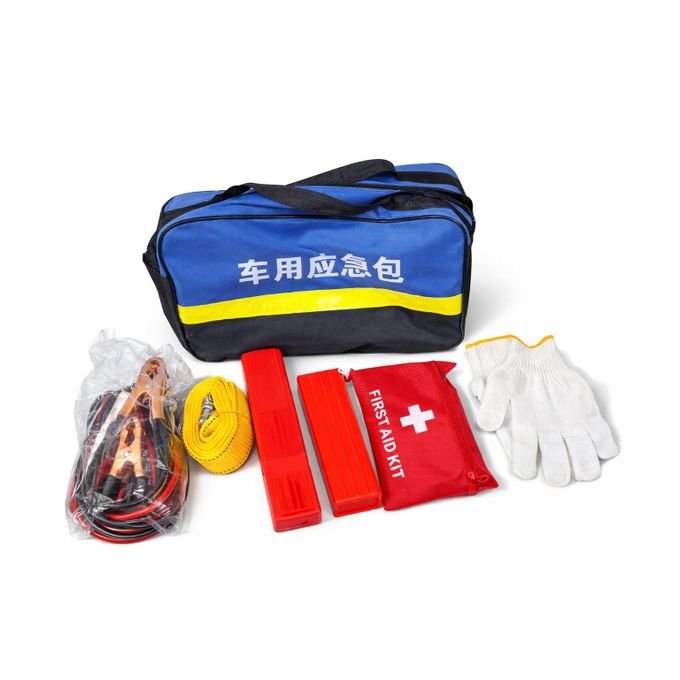
Both vehicles should be off, stable and not touching. Confirm compatible voltage and follow the vehicle manuals and cable instructions for connection order and approved earth points. Keep clamps apart, avoid moving belts and fans, and stop if the battery is cracked, leaking, swollen or frozen.
Using a portable jump starter
A charged jump starter avoids needing a donor car, but its rating and connection method must suit the vehicle. Switch off accessories, connect only as directed and remove it in the stated order after the engine starts. Recharge the pack after use and inspect it regularly.
Why batteries go flat
Common causes include lights left on, long periods without driving, an ageing battery, loose connections, a parasitic electrical drain or a charging-system problem. A successful jump start solves the immediate no-start condition, not the underlying cause.
When replacement may be needed
If the battery repeatedly loses charge, struggles after normal driving or fails a professional load test, it may need replacement. Ask a technician to test the battery and alternator rather than replacing parts by guesswork. Use the specification required by the vehicle manufacturer.
Safety and roadside judgement
Do not jump start near fuel vapour, heavy traffic or a visibly damaged battery. Hybrid and electric vehicles can have special procedures and high-voltage hazards. Consult the owner’s manual and use trained assistance whenever the correct connection points or process are uncertain.
This guide provides general buying and safety information, not vehicle-specific technical or legal advice. Manufacturer instructions and current official Nigerian requirements take priority.